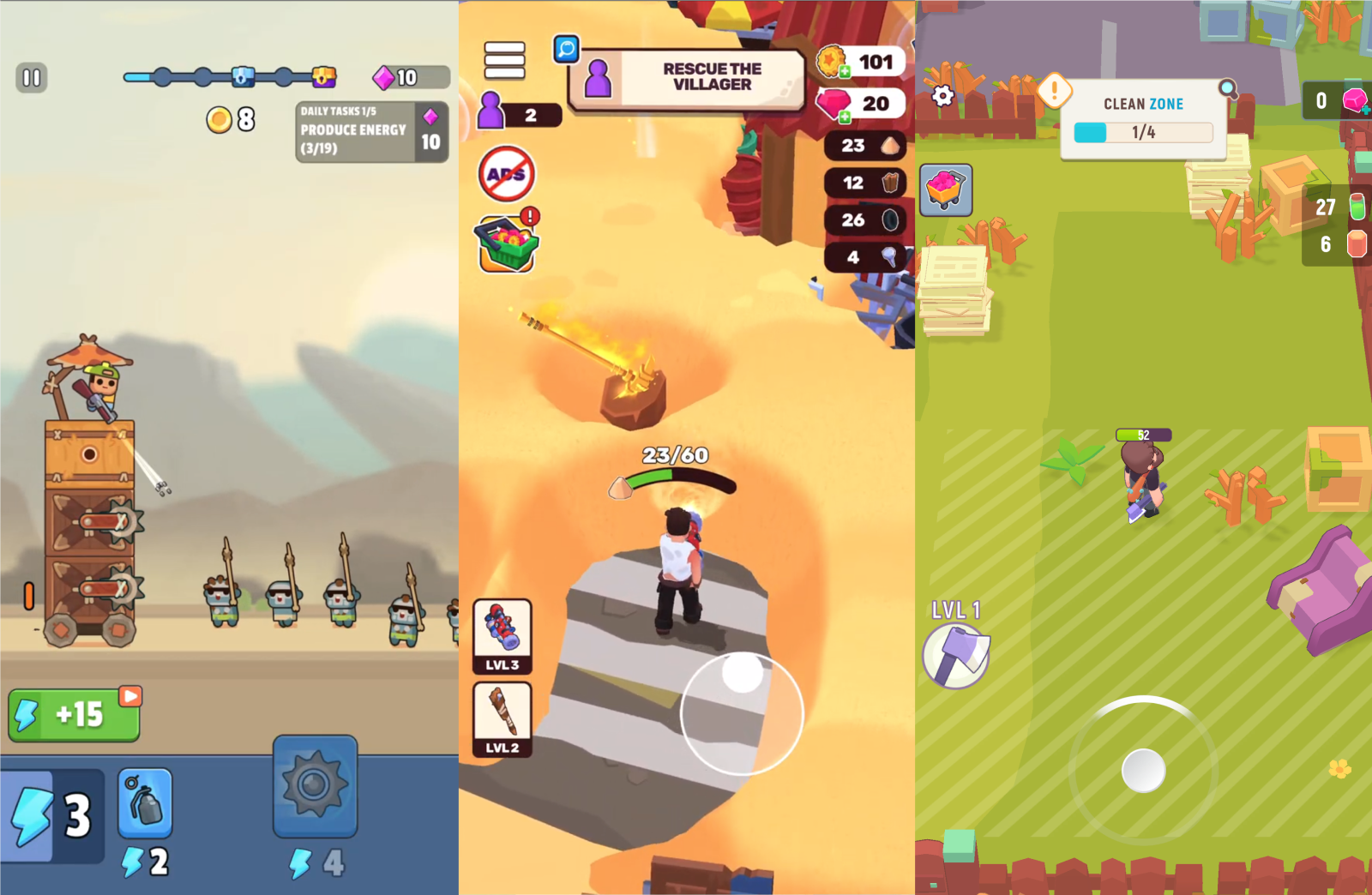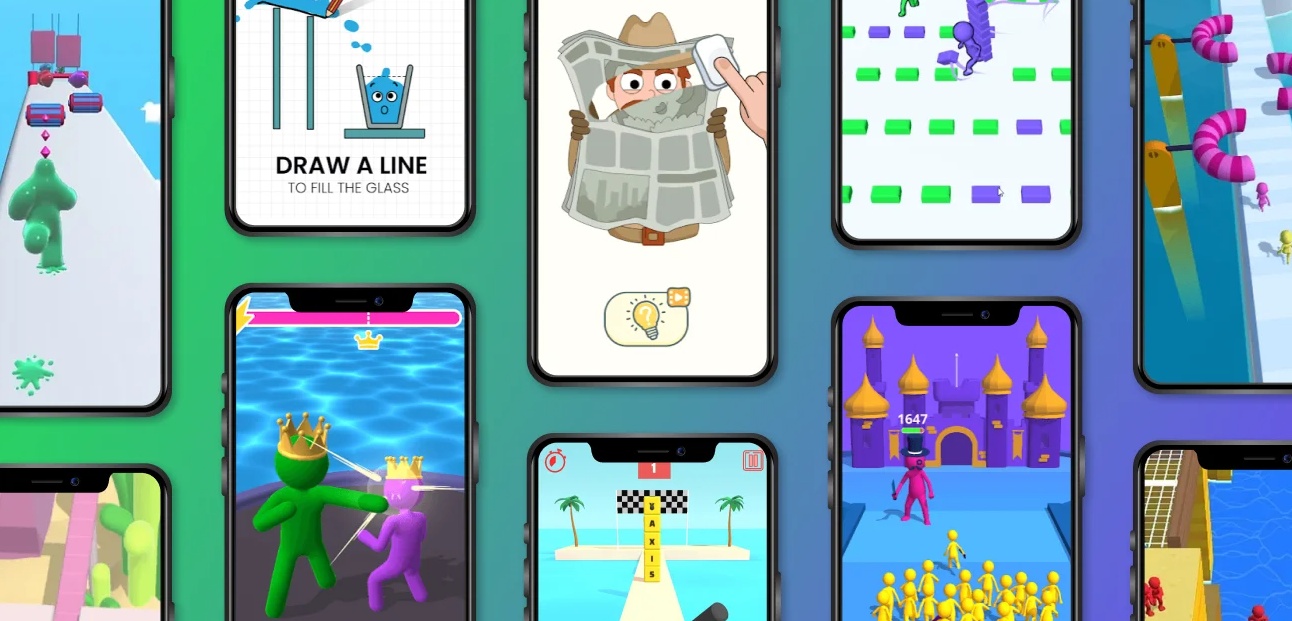
With the emergence of mixed leisure games, there has been an increase in the player retention rate compared to the period when ultra-recreational games were dominated. This has prompted some companies to move away from over-focusing on the acquisition of single installation costs for new users and instead to focus on retaining them. Utku Eldžić, Vice President of the Turkish studio Rollic, which focuses on super-recreational and mixed leisure hand games, and Temu Kokonin, an independent developer, discussed emerging trends and future expectations of mixed leisure games at the PGC Helsinki Conference. Particular emphasis was placed on the long-term attractiveness of the category to players and on changes in the user community itself.

Utku Eldinch said: “We don’t talk about low single installation costs anymore. That figure is rising every year, and we no longer see it as a central issue. Of course, costs still need to be controlled, but the target is met if the single installation cost for a small extension is less than $5.” Temu Kokoni added: “This logically suggests that developers should perhaps focus more on serving existing active players”. At the same time, he pointed out that the user community was “evolving”: “A former super-recreational player might have matured and might have wished to experience more in-depth content, and different players were being integrated”. Therefore, the provision of more extensive options in the game helps to meet the needs of a wider audience.
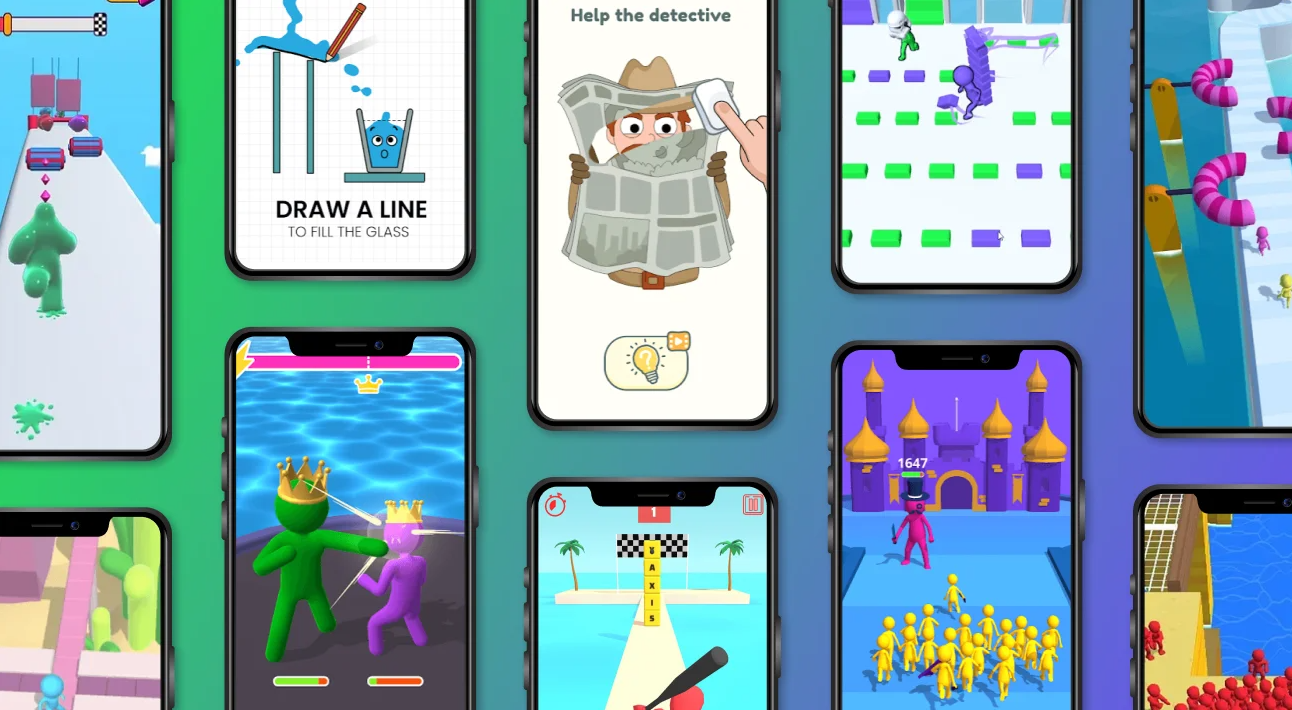
Utku Eldinch believes that the player “starts to seek new play mechanisms” and expects that the core experience of the first 20 minutes of the game will evolve as developers compete for user attention. Declaring that he was more concerned with game retention rates than with specific items, he pointed out that ultra-recreational games lacked long-term retention and that, therefore, developers did not usually keep up-to-date content; mixed-recreational games could have an annual retention rate of 2 to 3 per cent, prompting developers to keep adding new functions. “You will gradually join the introspection, the meta-play system, the diversity of progress mechanisms or the resource kit,” Utko Eldinch explains, “The mixed leisure game opens up a new field between leisure and super-rest.” Temu Kokonin, for his part, emphasized that “players may not know whether they play super-recreational or Chinese nuclear games, and they may not understand these classification differences, but simply want to experience them easily.”