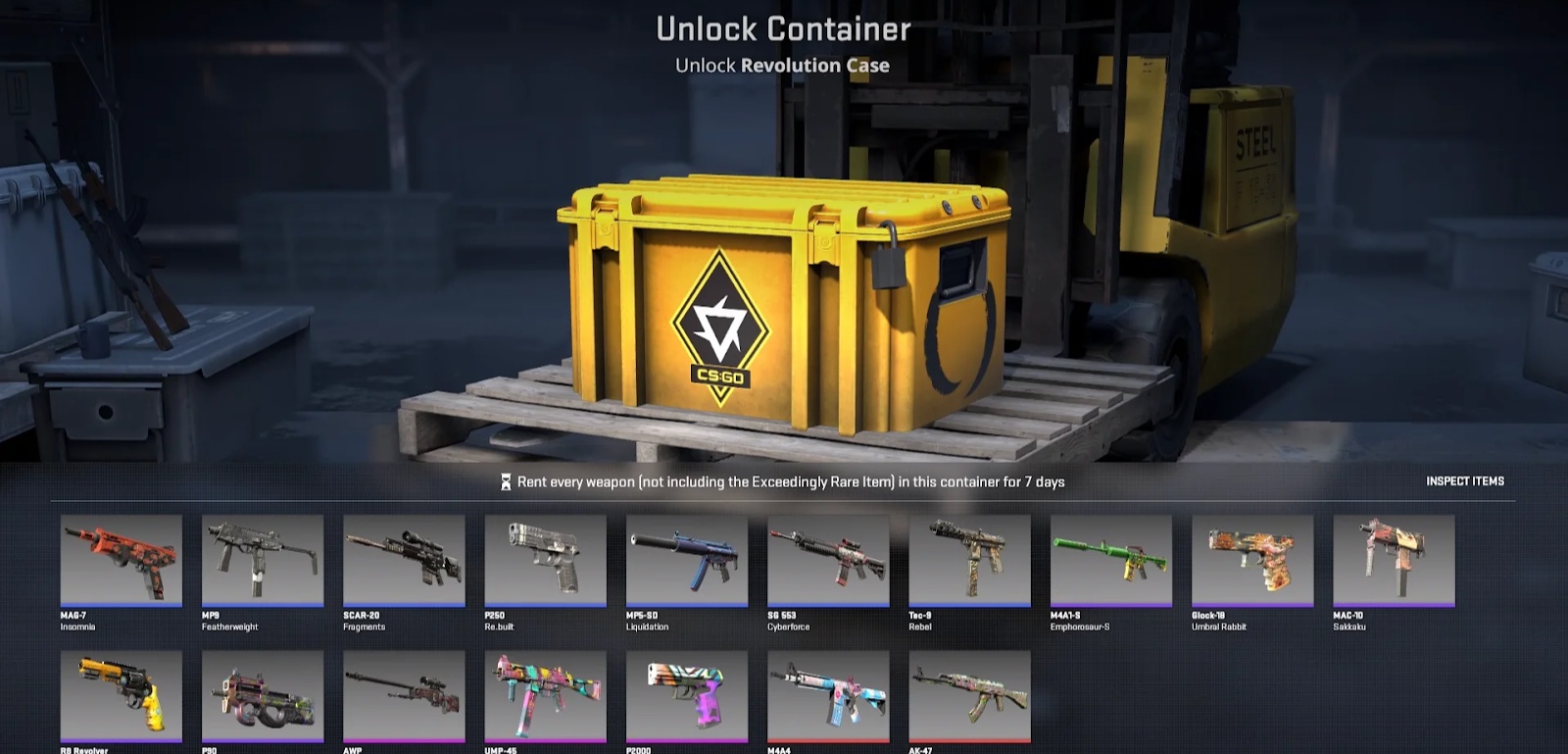
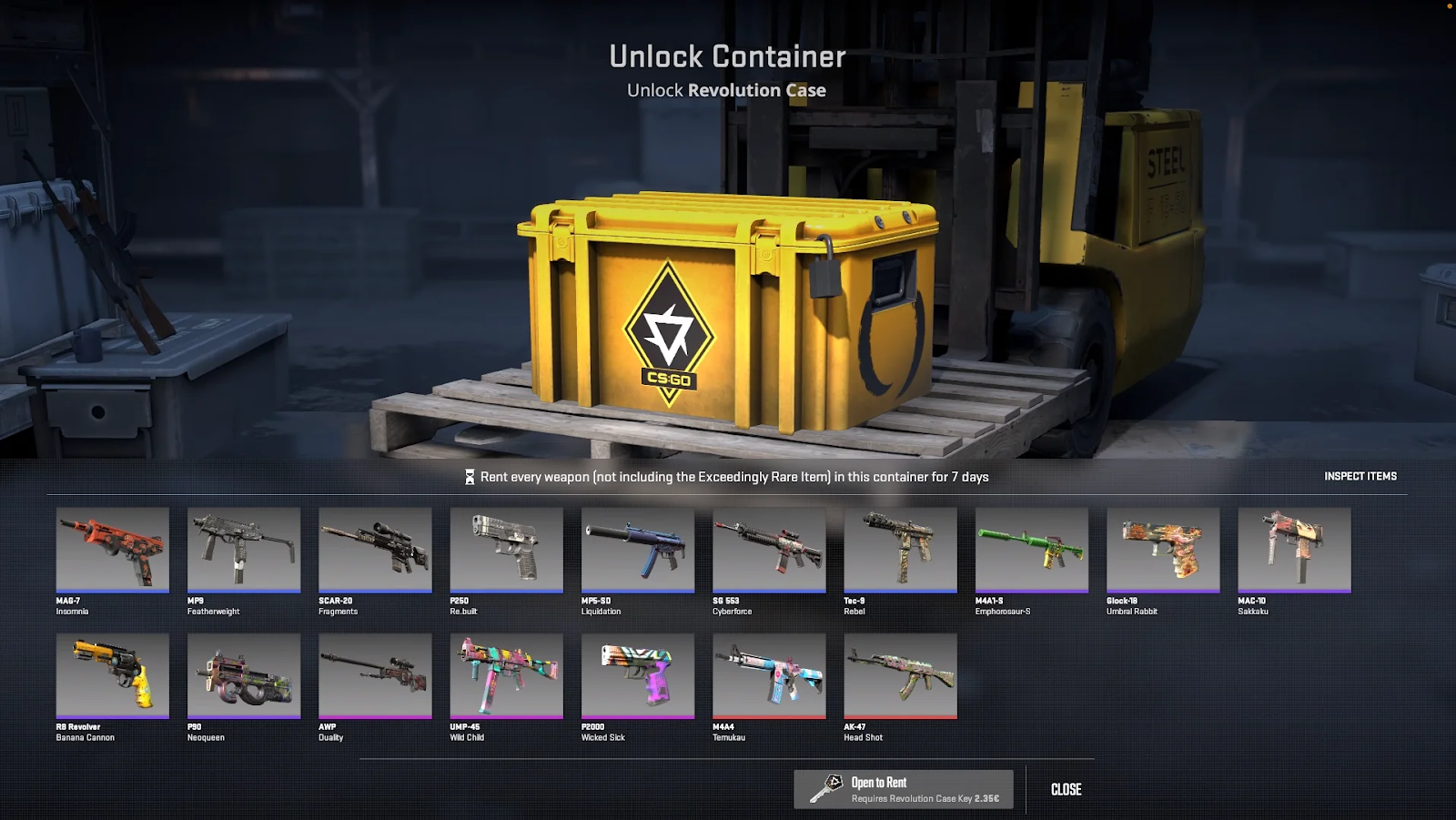
Virtual objects in games such as Valve (V) ” CS ” DOTA ” are a fairly popular “hard currency” in a player’s community, some of which, because of their scarcity, can even be sold for heaven’s price, and V has earned a good profit by selling trophies. However, there is a high risk of such unregulated virtual transactions, and the recent update of the CS2 policy has resulted in heavy losses of a number of speculatively fired cows.

DayZ and Icarus, the producers of Wing Stars for Life, Dean Hall, have recently publicly criticized Valve for using gambling for profit in their games. “Valve’s criticism in this regard is far from adequate. I’m sick of gambling mechanisms in games — they don’t exist.” Dean Hall challenges game developers: “If they think these mechanisms are not problematic, they should make data available to universities that are eager to undertake relevant research.” This statement refers directly to the open-box system in the CS2 — these trophies that open tradable weapons and armour skins, generating billions of dollars in the market around the game, which contains a large number of lottery acts.
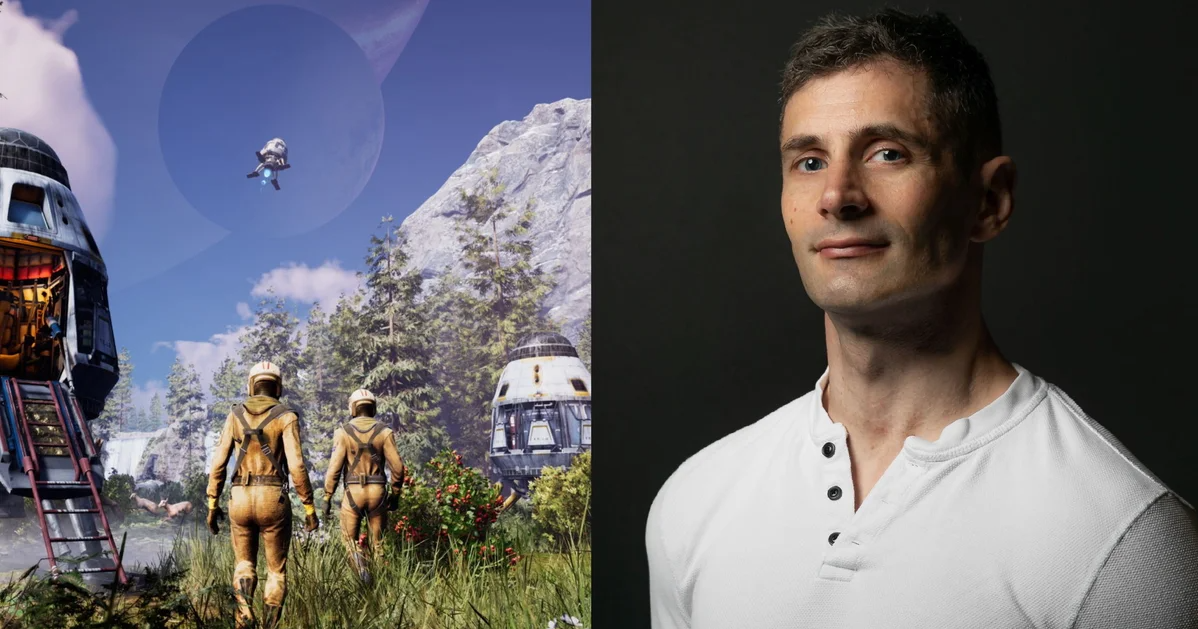
Following multi-country government investigations into the boxing mechanism and its impact on adolescents, the game industry has gradually abandoned such designs. However, by replacing the words “pays for the opening of the box” with “pays directly for the contents of the box”, V Society conveniently circumvented the resulting regulatory constraints. Dean Hall made that point when he was exploring the business model of the survival game, Icarus. The original plan was to use a free model, which was then converted to the current high-priced DLC model (known as the “Paradox model” by Dean Hall). He confessed that this controversial model was the desperate attempt to survive in his studio, RocketWerkz. “Not only the players are dissatisfied, but I am not satisfied with myself.” Dean Hall said, “I understand the anger at the DLC model. In fact, 99 percent of the developers are silently enduring — we don’t like that. Who won? Not us anyway. Many of the studios like me are barely sustainable, trying to continue to make the games they want to make, but they are not happy with the way they profit.”
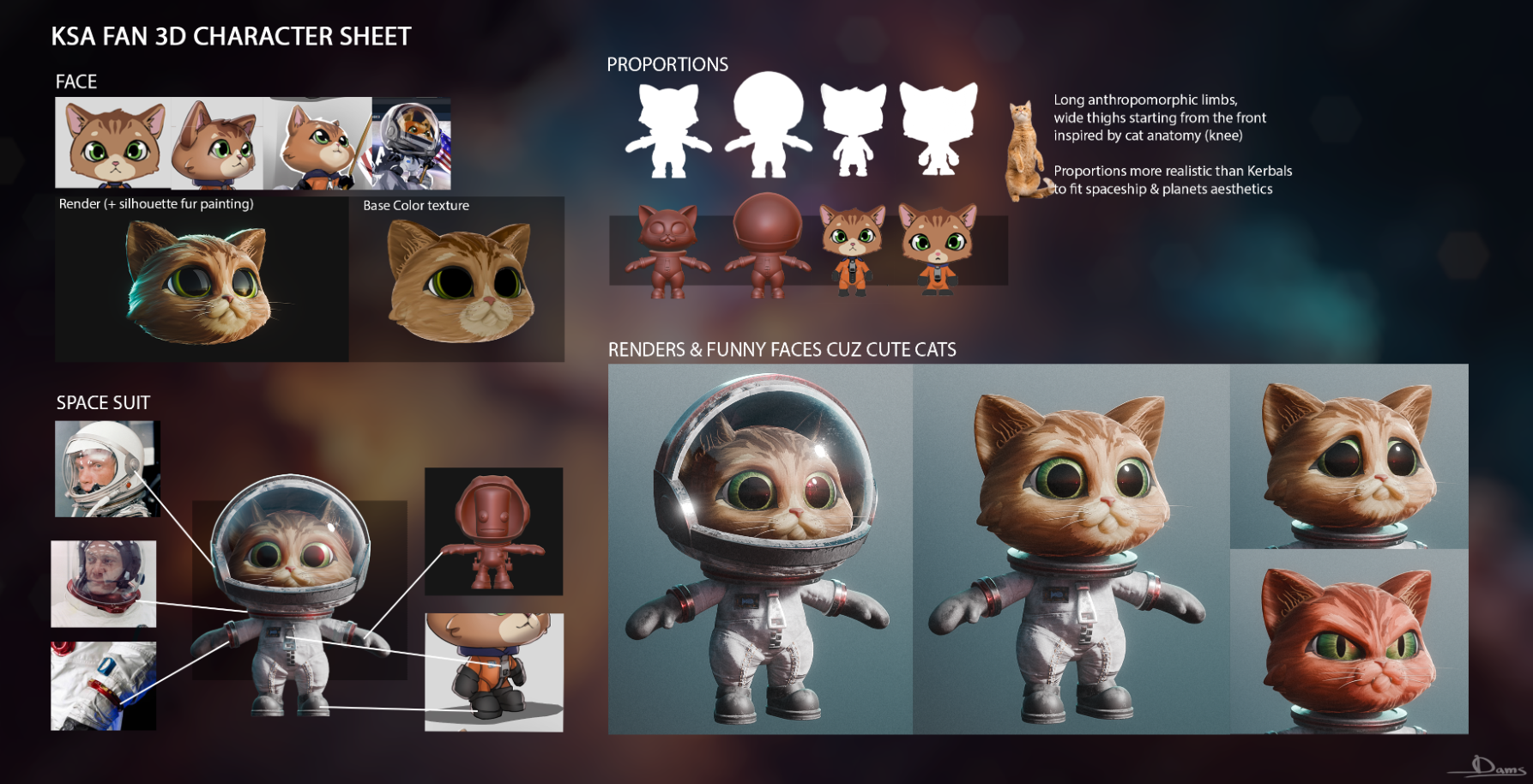
Dean Hall might be working on a practical solution in the new Kitten Space Agency. It is an undisguised tribute to the work of the Campbell Space Plan and plans to use the “free play + voluntary sponsorship” model. He explained, “I want to explore new paths, we have to try to change. If there’s a game for this kind of experiment, it’s got to be a Canbara-style piece. We often say that the game inspires inspiration, which should be free — that’s the motto of Kitten Space Agency.” Although the date of sale has not yet been set for Kitten Space Agency, it has begun to open the test gradually (currently only for invited users). The success of this resource-paying model and the revenue generated to support studio operations remains unknown. The New Zealand studio, which had experienced difficulties four years ago with the sale of Icarus, the life of Wing Stars, had put it on the brink of extinction, but, according to Hal in a frank dialogue, the situation was beginning to change.